What Is Hair Porosity and Why Does It Matter?

Many people focus on their hair type when choosing products and treatments, but another factor plays a major role in hair health: hair porosity. Understanding your hair porosity can help you make better decisions about moisture, styling products, and salon services.
Hair porosity refers to your hair's ability to absorb and retain moisture. Knowing whether your hair has low, medium, or high porosity can help you build a more effective hair care routine and achieve healthier-looking results.
At The Hair Department in Fort Wayne, we often help clients understand how porosity affects everything from daily maintenance to color services and conditioning treatments.
What Is Hair Porosity?
Hair porosity describes how easily moisture enters and exits the hair shaft.
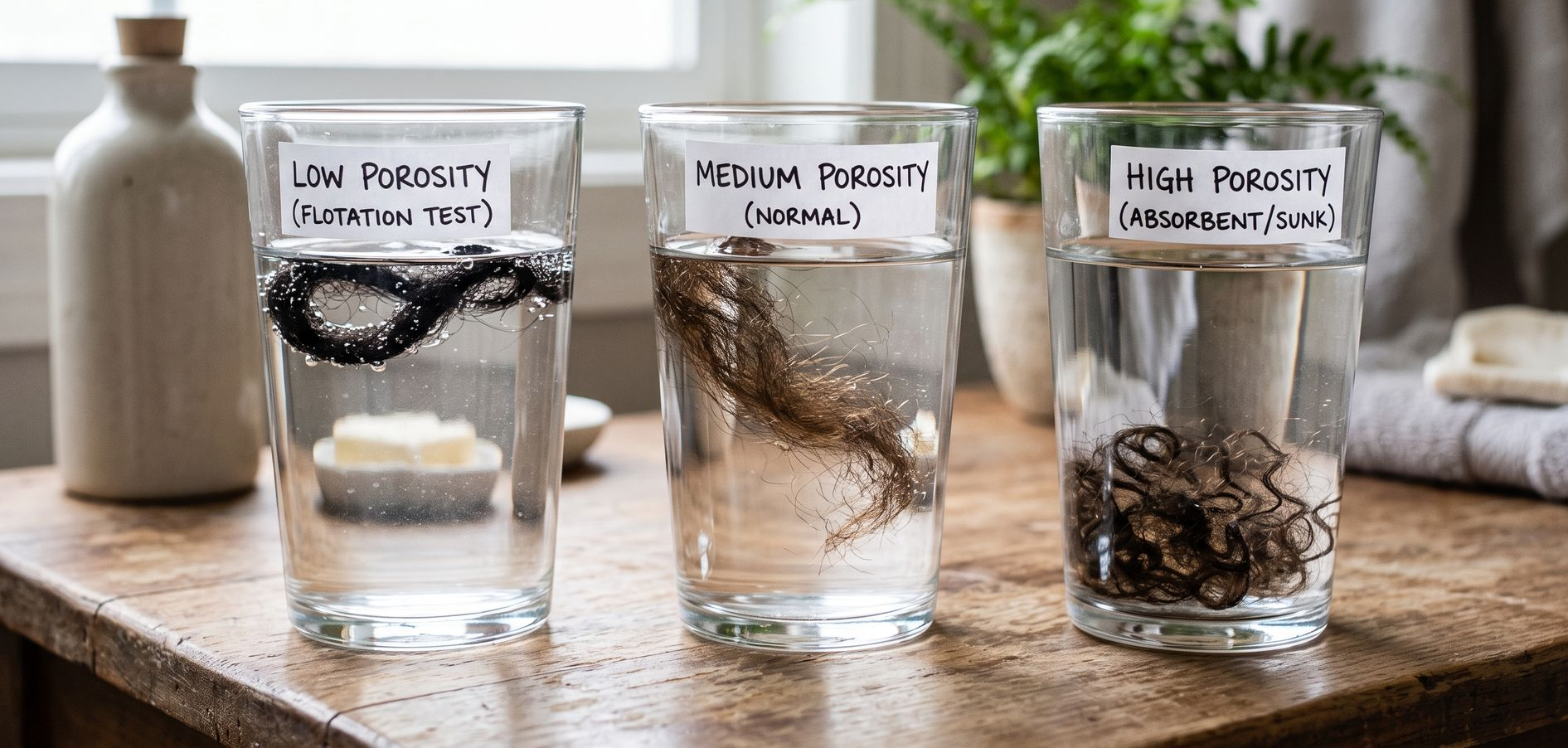
The outer layer of the hair, known as the cuticle, determines how much moisture your hair can absorb and retain. Depending on how tightly or loosely these cuticles are arranged, your hair may fall into one of three categories:
- Low porosity
- Medium porosity
- High porosity
Each type has different characteristics and care requirements.
Low Porosity Hair
Low porosity hair has tightly closed cuticles that make it difficult for moisture to penetrate the hair shaft.
Common characteristics include:
- Water tends to sit on the hair's surface
- Products may build up easily
- Hair takes longer to become fully saturated
- Moisture can be difficult to absorb
Although low porosity hair may resist moisture initially, it can often retain moisture well once properly hydrated.
Medium Porosity Hair
Medium porosity hair is generally considered the easiest to manage.
Characteristics often include:
- Balanced moisture retention
- Good product absorption
- Healthy shine
- Better styling flexibility
This hair type typically responds well to a variety of treatments and products.
High Porosity Hair
High porosity hair has more open cuticles, allowing moisture to enter and leave quickly.
Common signs include:
- Hair dries quickly
- Increased frizz
- Greater susceptibility to dryness
- More frequent tangling
- Higher likelihood of breakage
Hair that has been chemically treated or frequently heat styled may develop higher porosity over time.
What Causes Hair Porosity?
Several factors influence porosity.
Genetics
Some individuals naturally have low, medium, or high porosity hair.
Chemical Services
Hair coloring, lightening, and other chemical processes can affect the hair cuticle and alter porosity.
Heat Styling
Frequent use of hot tools may contribute to increased porosity over time.
Environmental Exposure
Sun, wind, humidity, and seasonal weather changes can all affect the condition of the hair cuticle.
Why Hair Porosity Matters?
Understanding hair porosity helps explain why certain products or routines work for some people but not others.
Porosity influences:
- Moisture retention
- Product absorption
- Styling performance
- Hair health
- Treatment effectiveness
Two people with similar hair textures may require completely different care routines because of their porosity levels.
Choosing the Right Hair Care Routine
For Low Porosity Hair
Low porosity hair often benefits from:
- Lightweight products
- Regular clarifying treatments
- Moisture-focused care
- Avoiding excessive product buildup
For Medium Porosity Hair
Medium porosity hair generally responds well to:
- Balanced moisture routines
- Regular conditioning
- Heat protection products
- Routine maintenance
For High Porosity Hair
High porosity hair may benefit from:
- Deep conditioning treatments
- Moisture-rich products
- Reduced heat exposure
- Strengthening treatments
A professional stylist can recommend products and services based on your individual needs.
Hair Porosity and Color Services
Porosity plays an important role in hair coloring results.
Hair with higher porosity may absorb color differently than lower porosity hair. This can influence:
- Color longevity
- Toner performance
- Shine
- Overall results
Understanding your porosity helps color specialists create more personalized service plans and maintenance recommendations.
Can Hair Porosity Change?
Yes. While genetics influence natural porosity, hair condition can change over time.
Factors such as:
- Heat styling
- Chemical processing
- Environmental exposure
- Hair care habits
can affect the cuticle structure and alter how your hair responds to moisture.
Professional treatments and healthy hair practices can help improve overall hair condition.
Frequently Asked Questions
Is hair porosity the same as hair texture?
No. Hair texture refers to whether your hair is straight, wavy, curly, or coily, while porosity refers to moisture absorption and retention.
Can I have healthy high-porosity hair?
Yes. High porosity hair simply requires a care routine that supports moisture retention and strength.
Why do some products work for others but not for me?
Hair porosity often affects how products perform, which is why personalized recommendations are important.
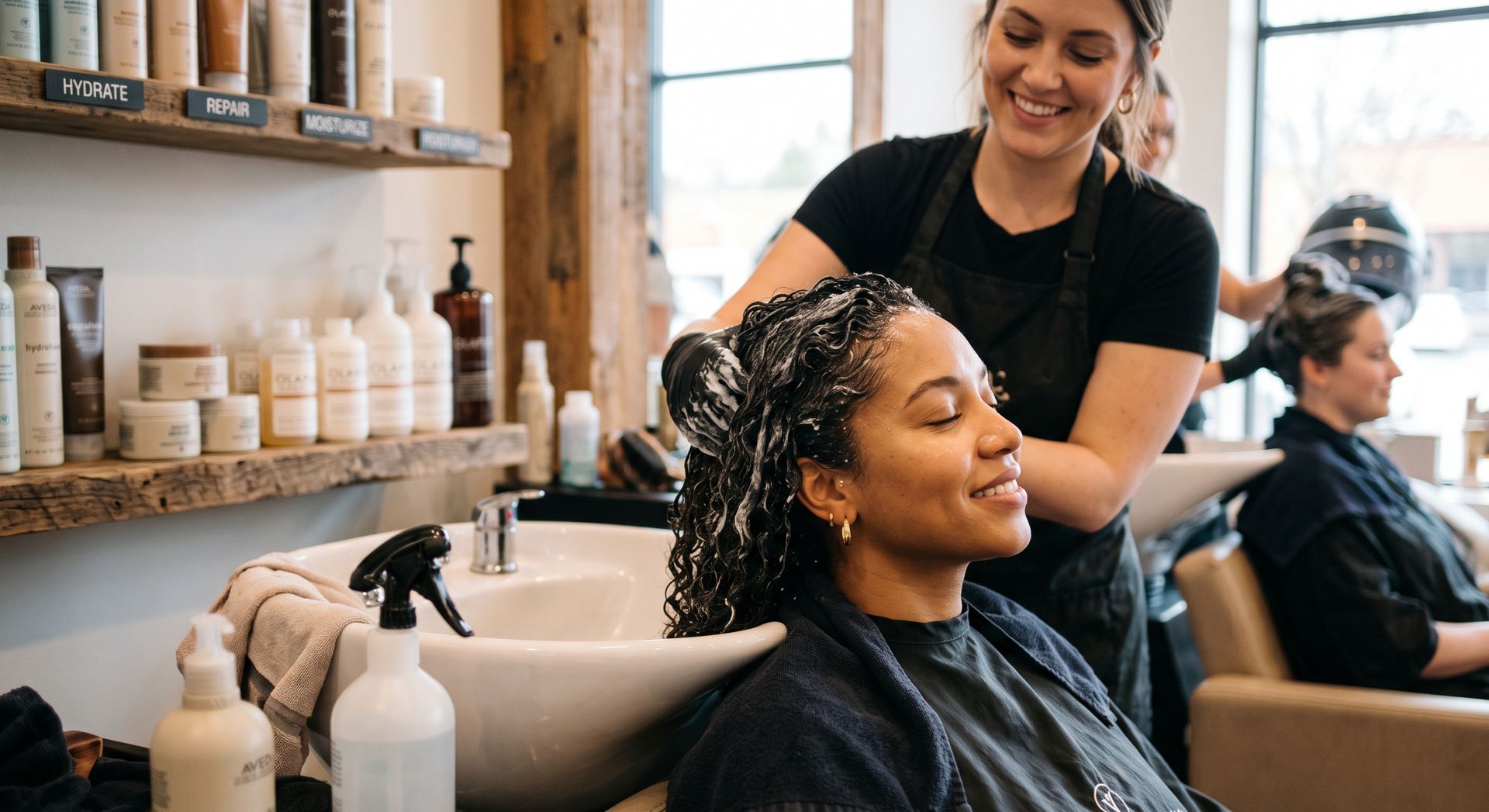
Can a stylist determine my hair porosity?
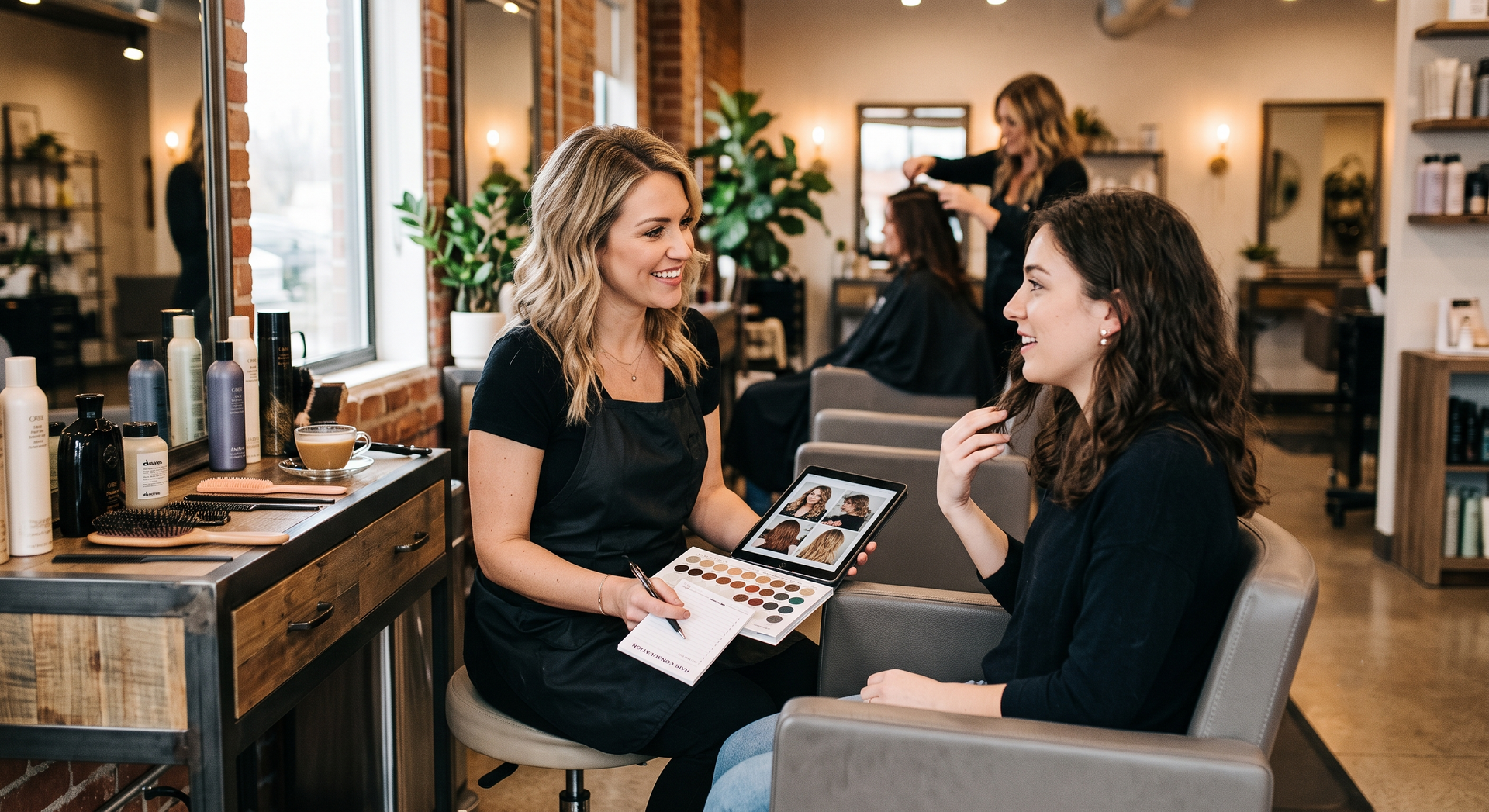
Yes. During a consultation, a professional stylist can evaluate your hair and recommend products and treatments accordingly.
Learn More About Your Hair at The Hair Department
Understanding your hair porosity can make a significant difference in your hair care routine. Whether you're dealing with dryness, frizz, or difficulty maintaining moisture, identifying your hair's needs is the first step toward healthier results.
The team at The Hair Department can help assess your hair and recommend services and products designed to support your goals.
Contact us or explore more expert hair care advice.
Serving Fort Wayne and surrounding communities with professional hair, beauty, and spa services.